

Figma
Design tool for marketers
A collaborative design tool that simplifies the design process, allowing teams to create, edit, and share designs in real-time.
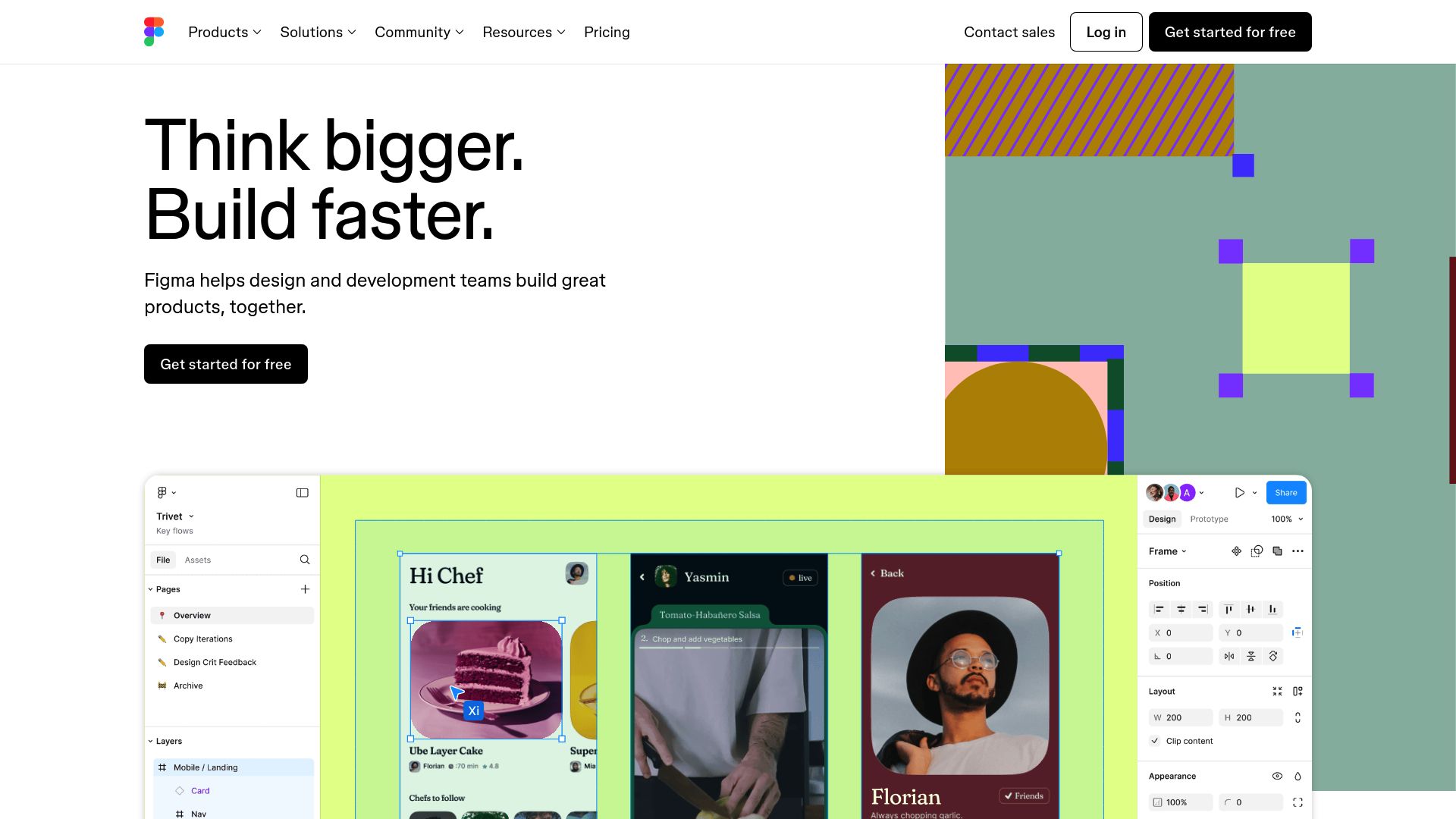
Product Screenshots
Best for
Design teams
Primary fit
Innovative/Disruptive
Pricing
Free
Momentum
1 marketer clap
Decision guide
Is this a fit for your marketing stack?
Best for marketers researching design workflows.
Setup signal: Moderate.
Pricing signal: Free.
Trust signal: community listed.
Momentum signal: 1 clap.
Product media: 1 screenshot.
Strengths
What looks strong
Collaborative design and prototyping tools
Interactive feedback and commenting system
Real-time collaboration and teamwork capabilities
Version control and design history tracking
Due diligence
Check before buying
Confirm the integrations you need for your current marketing stack.
Check usage limits, seats, contacts, credits, or send volume before rollout.
Validate reporting, attribution, and export options against your team workflow.
Compare the plan details against the free or entry-level option.
Pricing
Listed price
Free
Marketers should verify whether pricing is seat-based, usage-based, contact-based, or tied to monthly campaign volume. No promotional deal is currently listed on Growth Tools.
Description
Cloud-based and on-premise platform that enables businesses to create custom designs, share prototypes among team members.
Key Features
Collaborative design and prototyping tools
Interactive feedback and commenting system
Real-time collaboration and teamwork capabilities
Version control and design history tracking
Design system and component libraries for easy reuse
Integration with other design and development tools
Use Cases
Designing and Prototyping Marketing Materials: Figma can be used to create visually appealing marketing materials such as brochures, flyers, social media graphics, and website banners. With its intuitive interface and collaborative features, marketing teams can easily collaborate on design projects, iterate on ideas, and create professional-looking materials that effectively communicate their brand message.
User Experience (UX) Design for Websites and Apps: Figma's powerful design tools and prototyping capabilities make it an ideal choice for UX designers. Marketing teams can use Figma to create wireframes, mockups, and interactive prototypes for websites and mobile apps. By visualizing and testing user flows, marketers can ensure a seamless and engaging user experience, leading to higher conversion rates and customer satisfaction.
Collaborative Branding and Style Guide Creation: Figma's collaborative features make it a valuable tool for creating and maintaining brand consistency. Marketing teams can use Figma to develop and share brand guidelines, style guides, and design systems. This ensures that all marketing materials, both online and offline, adhere to the brand's visual identity, resulting in a cohesive and recognizable brand presence across various channels.
Do you know a better Design tool?
Alternatives
Top Figma alternatives
Key Features
Collaborative design and prototyping tools
Interactive feedback and commenting system
Real-time collaboration and teamwork capabilities
Version control and design history tracking
Design system and component libraries for easy reuse
Integration with other design and development tools
Use Cases
Designing and Prototyping Marketing Materials: Figma can be used to create visually appealing marketing materials such as brochures, flyers, social media graphics, and website banners. With its intuitive interface and collaborative features, marketing teams can easily collaborate on design projects, iterate on ideas, and create professional-looking materials that effectively communicate their brand message.
User Experience (UX) Design for Websites and Apps: Figma's powerful design tools and prototyping capabilities make it an ideal choice for UX designers. Marketing teams can use Figma to create wireframes, mockups, and interactive prototypes for websites and mobile apps. By visualizing and testing user flows, marketers can ensure a seamless and engaging user experience, leading to higher conversion rates and customer satisfaction.
Collaborative Branding and Style Guide Creation: Figma's collaborative features make it a valuable tool for creating and maintaining brand consistency. Marketing teams can use Figma to develop and share brand guidelines, style guides, and design systems. This ensures that all marketing materials, both online and offline, adhere to the brand's visual identity, resulting in a cohesive and recognizable brand presence across various channels.
Advertisement
Promote your product or service to an audience of marketers, founders, and growth teams.